
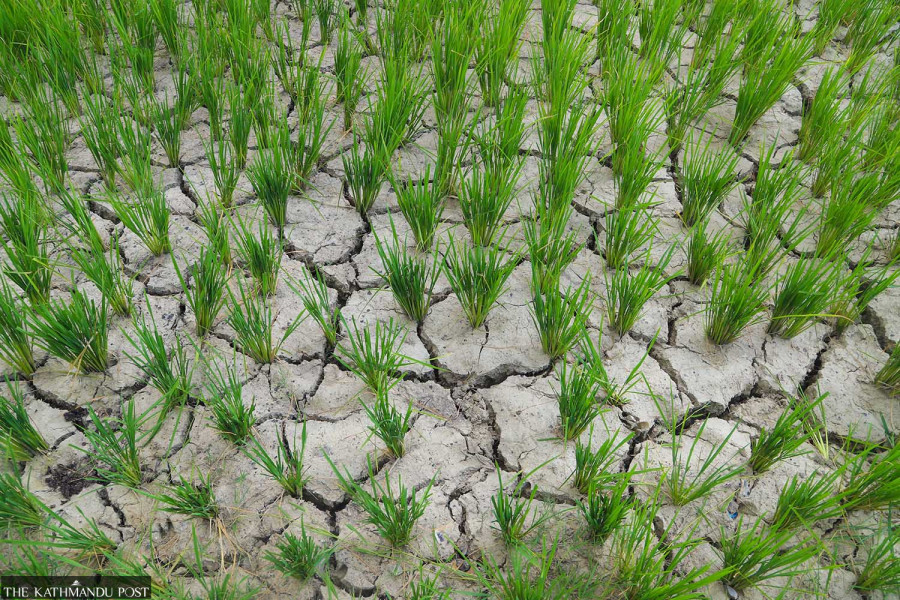

Nepal has transplanted rice on only 25% of its cultivable land as of July 5, 2026, a significant drop from the 45% recorded during the same period last year. According to the Department of Agriculture, 341,209 hectares have been planted out of a total of 1.37 million, with Madhes and Koshi provinces being the most affected.
This decline stems from a severe drought and a shortage of fertilizers. Despite the agricultural crisis, the country imported fertilizers worth Rs 49.83 billion during the first 11 months of the fiscal year. The Rising Nepal reports that this spending included substantial amounts on urea, DAP, and potash, alongside government subsidies exceeding Rs 30 billion.
Rajendra Koirala, Deputy Director General of the Agriculture Department, noted that an early monsoon was followed by a dry spell, disrupting the planting cycle. Furthermore, geopolitical tensions have delayed 95,000 tons of fertilizer due to the conflict in Gaza. With only 35% of arable land equipped for year-round irrigation, Nepal’s agricultural sector remains highly vulnerable to erratic rainfall.



Leave a Reply