

Introduction
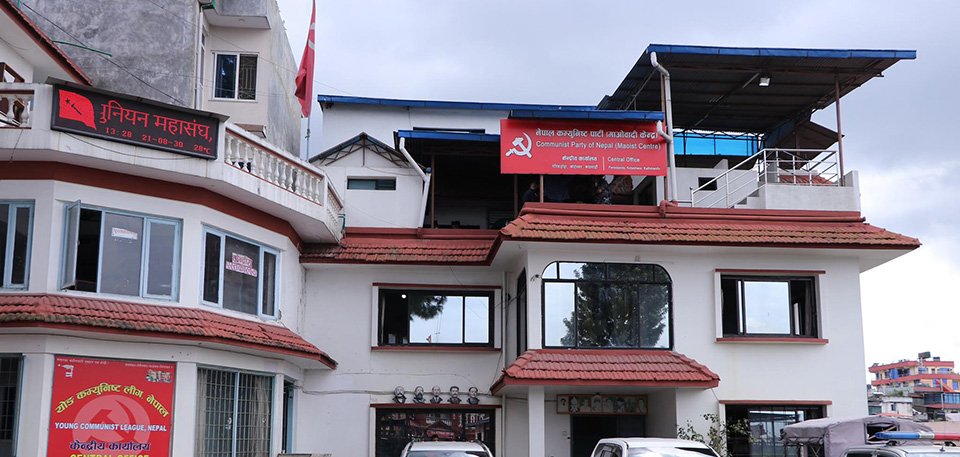
In a significant development within Nepal’s political landscape, the CPN-Maoist Center, a key player in the nation’s post-conflict era, has announced its unification with the Samajwadi Party led by Ganganarayan Shrestha. This merger aims to consolidate socialist and progressive forces, presenting a unified front to address the socio-economic challenges facing the country. However, the unification process has not been without its complexities and controversies. Senior leader Mahindra Raya Yadav has publicly dismissed claims of widespread dissent within the ranks, asserting the party’s commitment to unity and shared objectives. This article delves into the details of the unification, the motivations behind it, the potential implications for Nepali politics, and the counterarguments presented by Mahindra Raya Yadav regarding internal disagreements.
Background to the Unification
To fully understand the significance of this unification, it’s crucial to examine the historical context and the individual trajectories of the CPN-Maoist Center and the Samajwadi Party.
The CPN-Maoist Center: From Armed Struggle to Political Mainstream
The Communist Party of Nepal (Maoist Center), commonly known as the CPN-Maoist Center, emerged from a decade-long armed conflict (1996-2006) that aimed to overthrow the monarchy and establish a communist republic in Nepal. Led by Pushpa Kamal Dahal, also known as Prachanda, the party gained significant traction among rural populations, advocating for land reform, social justice, and the rights of marginalized communities.
Following the Comprehensive Peace Agreement in 2006, the CPN-Maoist Center entered the political mainstream, participating in elections and playing a crucial role in drafting the new constitution. However, the party has faced numerous challenges, including internal divisions, leadership struggles, and difficulties in adapting its revolutionary ideology to the realities of parliamentary politics. Despite these challenges, the CPN-Maoist Center has remained a significant force in Nepali politics, often acting as a kingmaker in coalition governments.
The Samajwadi Party: Advocating for Social Justice
The Samajwadi Party, led by Ganganarayan Shrestha, represents a faction of socialist thought in Nepal. It advocates for social justice, equality, and the rights of marginalized communities. While smaller in scale compared to the CPN-Maoist Center, the Samajwadi Party has maintained a consistent presence in Nepali politics, often aligning with other left-leaning parties to promote common agendas. The party’s focus on grassroots mobilization and its commitment to addressing the needs of the poor and disadvantaged have earned it a dedicated following.
Motivations Behind the Unification
Several factors have driven the CPN-Maoist Center and the Samajwadi Party towards unification.
Consolidating Socialist Forces
A primary motivation is the desire to consolidate socialist and progressive forces in Nepal. Leaders from both parties recognize the need to unite and present a stronger, more cohesive front to effectively advocate for their shared ideological goals. By merging, they aim to amplify their voices and increase their influence in shaping national policies.
Enhancing Political Influence
Unification offers both parties the opportunity to enhance their political influence. The CPN-Maoist Center, while still influential, has seen its support base erode over the years. By joining forces with the Samajwadi Party, it hopes to revitalize its appeal and attract new voters. Similarly, the Samajwadi Party gains access to the CPN-Maoist Center’s established organizational structure and broader network, strengthening its capacity to mobilize support and contest elections.
Addressing Socio-Economic Challenges
Both parties share a commitment to addressing the socio-economic challenges facing Nepal, including poverty, inequality, unemployment, and social injustice. By uniting, they believe they can develop and implement more effective policies to tackle these issues. They aim to create a more equitable and prosperous society for all Nepalis, particularly those from marginalized communities.
Responding to Evolving Political Dynamics
The unification can also be seen as a response to the evolving political dynamics in Nepal. The country has experienced a period of political instability, with frequent changes in government and a fragmentation of political parties. In this context, the CPN-Maoist Center and the Samajwadi Party may view unification as a strategic move to strengthen their position and navigate the complex political landscape more effectively.
Details of the Unification Agreement
The unification agreement between the CPN-Maoist Center and the Samajwadi Party encompasses several key elements:
Formation of a Unified Party
The agreement entails the formation of a new, unified party with a shared name, flag, and organizational structure. The specific name and symbols are often subjects of intense negotiation, reflecting the desire of both parties to maintain their distinct identities while forging a new collective identity.
Power-Sharing Arrangements
Power-sharing arrangements are a crucial aspect of any unification agreement. The agreement typically outlines the distribution of leadership positions, committee memberships, and other key roles within the unified party. These arrangements are designed to ensure that both parties have a fair representation and a voice in decision-making processes.
Policy and Ideological Alignment
The unification agreement also addresses policy and ideological alignment. The parties must agree on a common set of principles, policies, and objectives that will guide the unified party’s actions. This may involve compromises and adjustments on both sides to bridge any differences and forge a shared vision for the future.
Organizational Structure and Cadre Integration
Integrating the organizational structures and cadres of the two parties is a complex task. The agreement typically outlines a plan for merging the existing committees, departments, and other units into a unified organizational framework. It also addresses the integration of party members, ensuring that all individuals are treated fairly and have opportunities to contribute to the unified party.
Mahindra Raya Yadav’s Dismissal of Dissent Claims
Despite the official announcement of unification, reports have emerged suggesting that some leaders and cadres within both the CPN-Maoist Center and the Samajwadi Party harbor reservations about the merger. These concerns often relate to issues of power-sharing, ideological differences, and the potential loss of individual identity.
Yadav’s Statement
In response to these reports, senior leader Mahindra Raya Yadav has publicly dismissed claims of widespread dissent. He asserts that the vast majority of party members support the unification and are committed to working together to achieve their shared goals. Yadav acknowledges that some individuals may have concerns or reservations, but he characterizes these as minor issues that can be resolved through dialogue and negotiation.
Rationale Behind the Dismissal
Several factors may explain Mahindra Raya Yadav’s dismissal of dissent claims:
Counterarguments and Potential Challenges
While Mahindra Raya Yadav dismisses claims of widespread dissent, it is important to consider potential counterarguments and challenges:
Potential Implications for Nepali Politics
The unification of the CPN-Maoist Center and the Samajwadi Party has several potential implications for Nepali politics:
Strengthening the Left Bloc
The merger could strengthen the left bloc in Nepal, providing a more cohesive and influential voice for socialist and progressive policies. A stronger left bloc could challenge the dominance of centrist and right-leaning parties, potentially leading to a shift in the political landscape.
Reshaping Political Alliances
The unification could reshape political alliances in Nepal. The unified party may seek to forge new alliances with other left-leaning parties or even explore possibilities for cooperation with centrist forces. These shifting alliances could have a significant impact on the formation of future governments.
Impact on Policy Agendas
The unification could influence policy agendas in Nepal. The unified party is likely to prioritize issues such as social justice, economic equality, and the rights of marginalized communities. This could lead to increased pressure on the government to address these issues and implement policies that benefit the poor and disadvantaged.
Challenges to Implementation
Despite the potential benefits, the unification also faces significant challenges. The unified party must overcome internal divisions, integrate its organizational structures, and develop a coherent policy platform. Failure to address these challenges could undermine the effectiveness of the merger and limit its impact on Nepali politics.
The Role of Key Leaders
The success of the unification hinges significantly on the roles played by key leaders from both parties.
Pushpa Kamal Dahal (Prachanda)
As the leader of the CPN-Maoist Center, Prachanda plays a pivotal role in shaping the direction of the unified party. His ability to navigate internal divisions, forge consensus, and inspire confidence among party members will be crucial to the success of the merger.
Ganganarayan Shrestha
As the leader of the Samajwadi Party, Ganganarayan Shrestha brings a unique perspective and a dedicated following to the unified party. His ability to effectively represent the interests of his party’s members and contribute to the development of a shared vision will be essential.
Mahindra Raya Yadav
As a senior leader, Mahindra Raya Yadav’s role is to ensure party unity. His influence within the party can either help in unifying the cadres or create further divisions.
Public and Media Reaction
The announcement of the unification has elicited a range of reactions from the public and the media.
Positive Reactions
Some observers view the unification as a positive step towards consolidating socialist forces and promoting political stability. They believe that a stronger left bloc can provide a more effective check on the government and advocate for policies that benefit the majority of Nepalis.
Skeptical Reactions
Others are more skeptical, questioning the long-term viability of the merger and raising concerns about potential internal divisions. They point to the history of factionalism within the CPN-Maoist Center and the challenges of integrating two distinct political cultures.
Media Coverage
Media coverage of the unification has been mixed, with some outlets highlighting the potential benefits and others focusing on the challenges and controversies. The media’s role in shaping public perception of the merger will be crucial in the months and years to come.
Future Prospects and Challenges
Looking ahead, the unified party faces both promising prospects and significant challenges:
Opportunities for Growth
The unification provides opportunities for the party to grow its support base, expand its influence, and play a more significant role in Nepali politics. By effectively addressing the needs of the people and presenting a compelling vision for the future, the party can attract new members and voters.
Overcoming Internal Divisions
Overcoming internal divisions and fostering a sense of unity will be crucial to the success of the merger. The party must create a culture of dialogue, compromise, and mutual respect to ensure that all members feel valued and have a voice in decision-making processes.
Adapting to Changing Political Landscape
The party must also adapt to the changing political landscape in Nepal. The country is undergoing a period of rapid social and economic transformation, and the party must be able to respond effectively to these changes. This requires a willingness to innovate, experiment, and adapt its policies and strategies to meet the evolving needs of the people.
Conclusion
The unification of the CPN-Maoist Center and the Samajwadi Party represents a significant development in Nepal’s political landscape. While the merger holds the potential to strengthen the left bloc and promote social justice, it also faces significant challenges, including internal divisions and the need to adapt to a changing political environment. Mahindra Raya Yadav’s dismissal of dissent claims highlights the complexities of the unification process and the importance of maintaining party unity. Whether the unified party can overcome these challenges and achieve its goals remains to be seen. The coming months and years will be crucial in determining the success of this ambitious endeavor.
Stay informed about the developments in Nepali politics and participate in shaping the future of the nation. Learn more about the policies and platforms of the unified party and engage in constructive dialogue to promote a more just and equitable society.

Leave a Reply